

THE PERFECT GLOW

JEWELRY CARE GUIDE

Our pieces are crafted to be lived in, loved, and layered. Even the most durable metals require a little extra care to maintain their vibrancy. Get to know your jewelry, and use the guides below for best practices to ensure your pieces remain as divine as the day you first wore them.
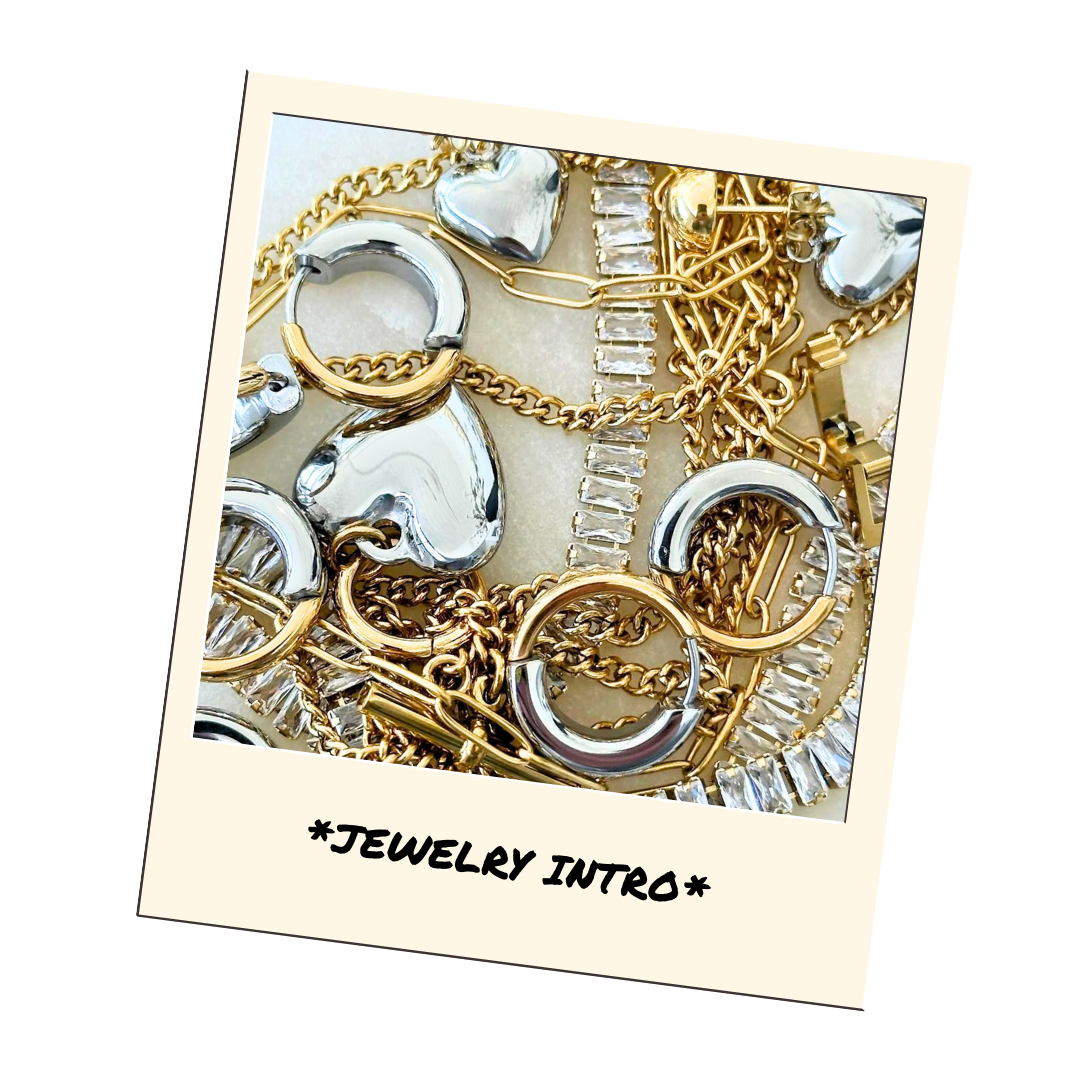
THE INTRODUCTION: KNOW YOUR JEWELRY

Understanding what goes into your jewelry is the first step in building a collection that lasts. At Vida, we use a curated selection of high-performance and precious metals, each chosen for its unique luster, weight, and durability.

The Composition: Titanium steel is a specialized alloy often used in high-end watchmaking and architectural design. It is prized for its incredible strength-to-weight ratio.

The Craft: In fine jewelry, it is crafted using an anodizing or PVD (Physical Vapor Deposition) process. This allows the metal to be extremely resilient against dents and scratches while remaining remarkably lightweight on the wrist or neck.

Titanium Steel is 100% hypoallergenic and “biocompatible,” meaning it will not react with even the most sensitive skin types.

The Composition: Known as “Surgical Steel,” this metal contains a specific blend of iron, chromium, and nickel. The “L” stands for Low Carbon, which prevents the metal from corroding over time.

The Craft: It is forged at extremely high temperatures to create a non-porous surface. This industrial-grade density makes it the perfect base for our Statement and Signet pieces, as it can be polished to a mirror-like “chrome” finish that does

Stainless Steel provides the “heft” and weight of solid white gold but with significantly higher resistance to daily wear and tear.

The Composition: 92.5% Pure Silver and 7.5% Copper.

The Craft: Pure silver (99.9%) is too soft for functional jewelry—it would bend and lose its shape instantly. By alloying it with copper, the metal becomes “Sterling,” gaining the structural integrity needed for intricate designs while maintaining the brilliant, “white-light” glow of a precious metal.

Every Sterling Silver piece is stamped with a “925” hallmark, certifying its authenticity as a global standard for luxury jewelry.

Plating is the art of bonding a layer of real gold to a durable base metal (like Sterling Silver or Stainless Steel). This process allows you to enjoy the radiance of solid gold with the strength of performance metals.

18k Gold Plating

The Purity: 75% Pure Gold.

The Aesthetic: Because it contains such a high percentage of pure gold, 18k plating has a deep, rich, “buttery” yellow hue.

The Craft: The gold is electrically bonded to the base metal in a thick layer. In fine jewelry, 18k is the standard for pieces intended to have a “high-jewelry” look, offering a color profile that is virtually indistinguishable from solid 18k gold.

14k Gold Plating

The Purity: 58.3% Pure Gold.

The Aesthetic: With a higher percentage of alloying metals (41.7%), 14k gold has a brighter, lighter, “champagne” tone.

The Craft: 14k is favored for its hardness. Because the gold is mixed with more durable alloys before being plated, it creates a surface that is slightly more resilient to the micro-scratches of everyday life.

The Purity: 100% Pure Silver Layer.

The Aesthetic: Silver plating provides the most reflective surface of any metal, creating a bright, cool, and modern aesthetic.

The Craft: A layer of fine silver is bonded over a core metal to provide the “look” of Sterling Silver. This technique is often used to give Iced and Tennis pieces their signature brilliant, icy white background that makes stones pop.

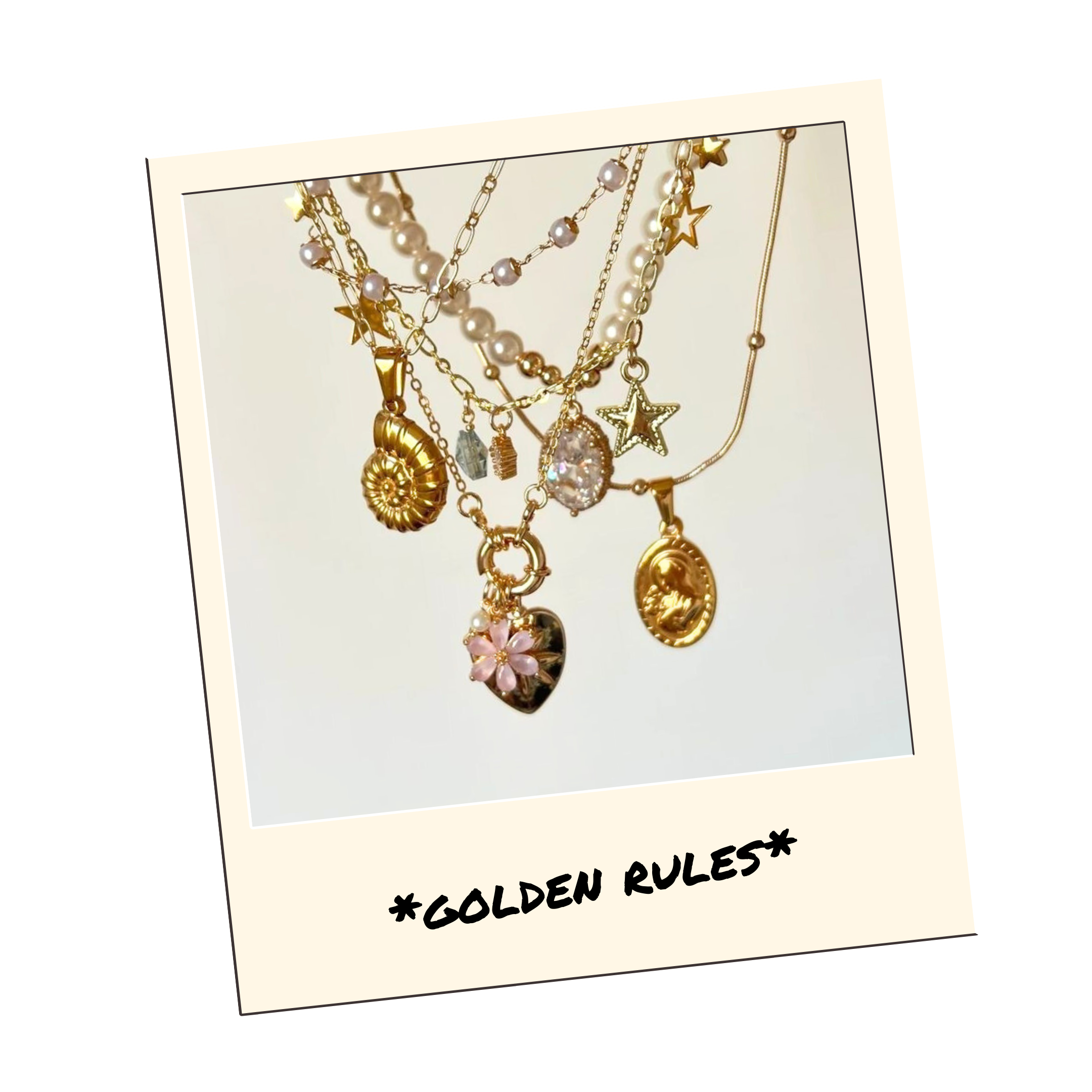
THE GOLDEN RULES: WHAT NOT TO DO

Your jewelry should be the very last thing you put on in the morning and the first thing you take off at night. 

To prevent permanent damage, tarnishing, or fading, strictly avoid the following:

Chemical Contact: Never apply perfumes, hairsprays, or lotions after putting on your jewelry. The chemicals can react with metal plating and dull the finish.

The Pool + Spa:  Always remove your jewelry before swimming. Chlorine and saltwater are highly corrosive. Chlorine eats away at gold plating and silver. Saltwater is abrasive and can find its way into the tiny crevices of your “Iced” or “Stone” pieces, causing them to loosen over time.

Sweat Sessions: Remove your pieces before high-intensity workouts. The salts in perspiration can accelerate the wear of gold and silver plating.

Sleeping in Style: We recommend removing jewelry before bed to prevent snagging, bending, or unnecessary friction.

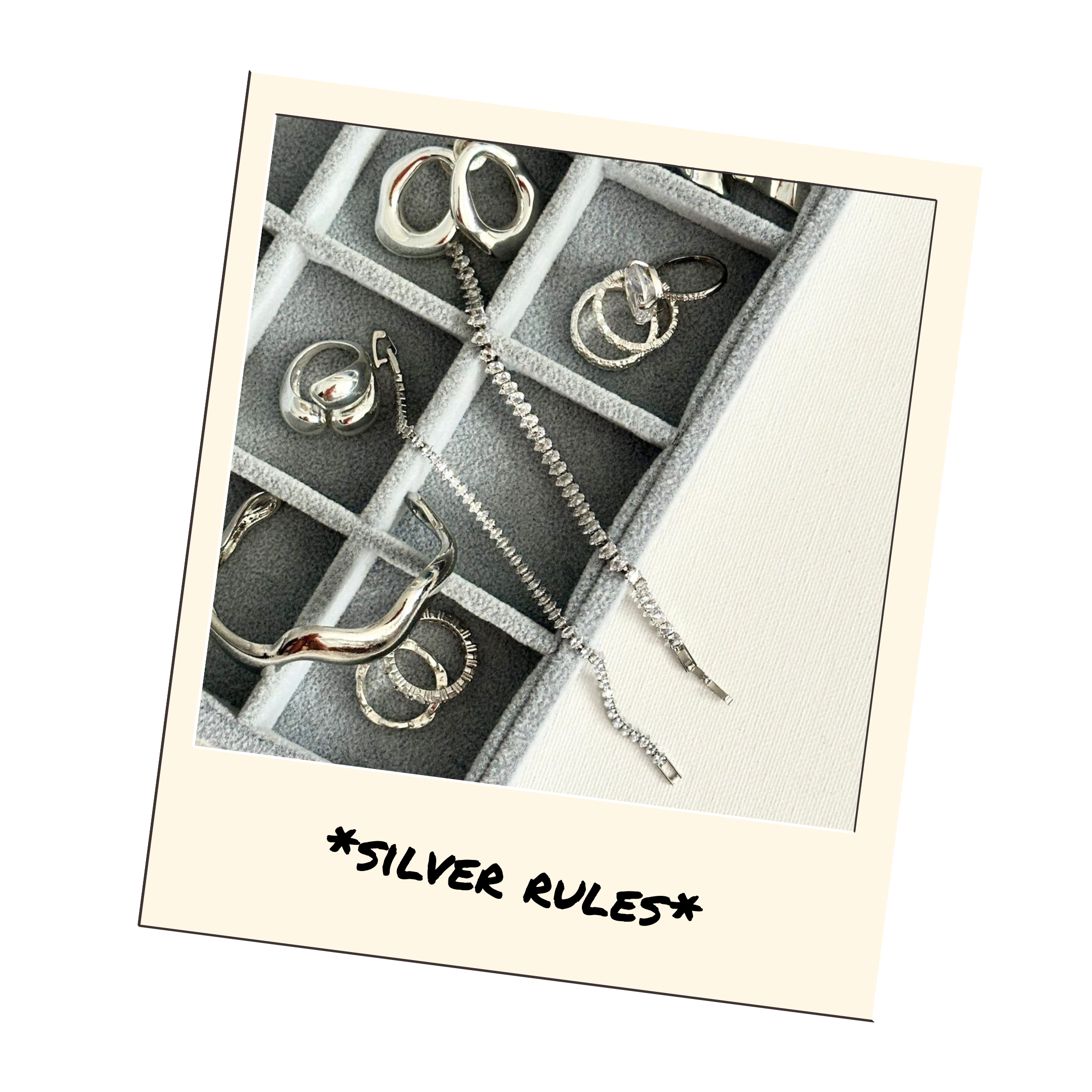
THE SILVER RULES: PROCEED WITH CAUTION

You can wear your pieces during these activities, but extra care is required to ensure longevity:

Showering + Hand Washing: While Stainless Steel and Titanium are water-resistant, we recommend removing Plated or Sterling Silver pieces. Repeated exposure to soaps and hard water minerals creates a “film” or soap scum buildup that makes stones look cloudy and metal look matte.

Exercise + Perspiration: The salt and acidity in human sweat react differently with everyone’s skin. For some, it can accelerate the fading of 14k/18k plating. If you do sweat in your jewelry, rinse it with plain water and dry it immediately afterward.

The Micro-Scratch Danger: Never use paper towels, tissues, or coarse fabrics to dry your jewelry. Only use a 100% cotton or specialized microfiber cloth. Even the softest paper towel contains wood fibers that act like sandpaper on polished gold and silver finishes.

Storage: Don’t toss all your jewelry into one bowl. Metal-on-metal friction causes scratches. Store each piece separately, in its own Vida pouch, or a lined jewelry box.

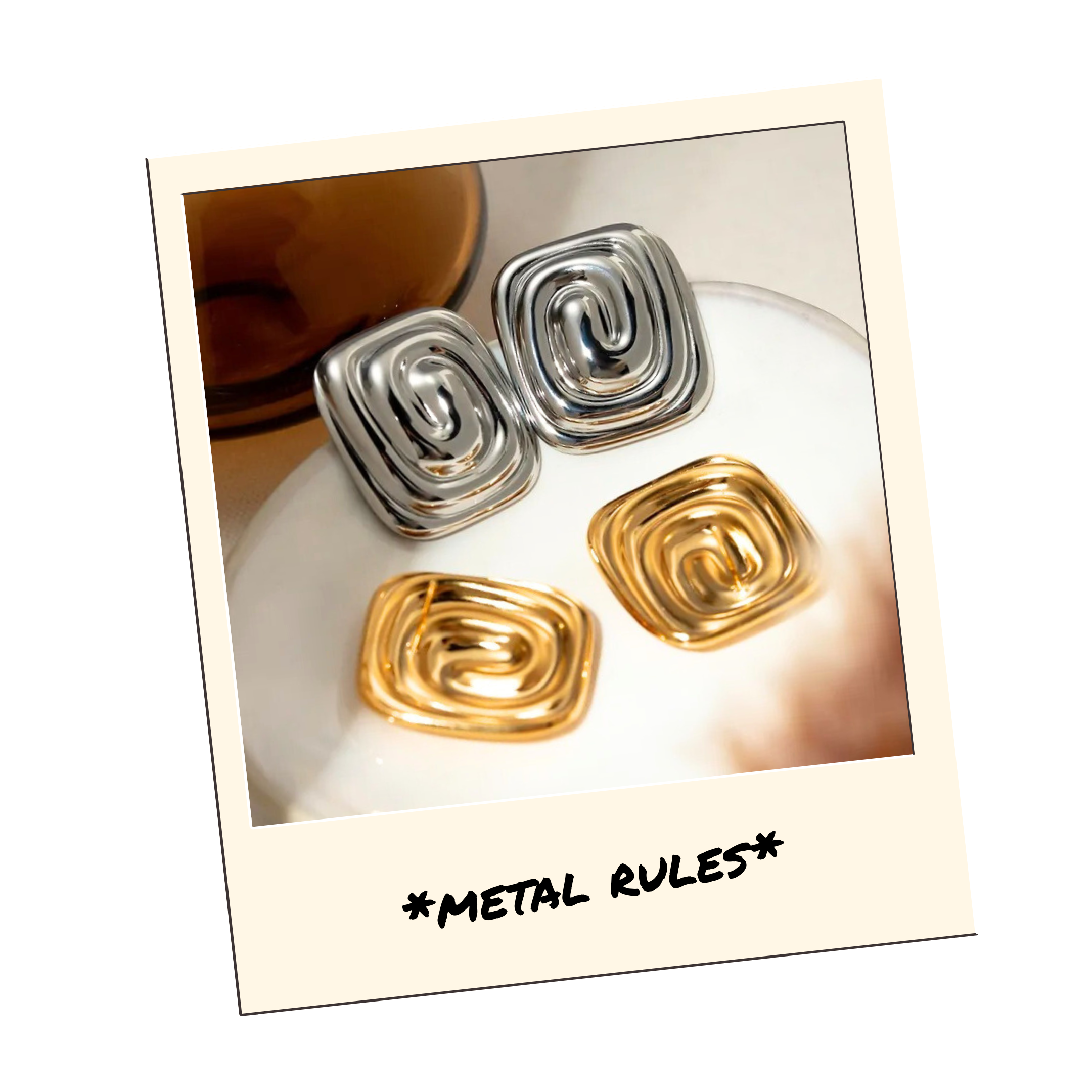
THE METAL RULES: SPECIFIC CARE

Properties: Known as “performance metals,” these are the most durable in the Vida collection. They are 100% hypoallergenic and highly resistant to rust, oxidation, and corrosion. Unlike softer precious metals, they won’t bend or lose their shape easily under pressure.

Care: While these are “water-safe,” they can still collect a film from soaps, lotions, or skin oils that dulls their industrial luster. 

  • Deep Clean: To restore their original shine, soak the piece in a bowl of warm water with a few drops of grease-cutting dish soap (like Dawn).

  • Secret: Use a very soft-bristled “baby” toothbrush to gently scrub the internal links of Chains or the underside of Signet rings. Rinse thoroughly in fresh water—leftover soap residue can cause skin irritation.

Properties: A precious metal consisting of 92.5% pure silver and 7.5% copper for strength. Silver is a “reactive” metal, meaning it naturally undergoes a chemical reaction called tarnish when it meets sulfur or moisture in the air.

Care: Surprisingly, wearing silver is the best maintenance. The natural friction and oils of your skin keep the tarnish from settling.

  • Polishing: If your piece begins to look yellow or black, use a treated silver polishing cloth. Never use “silver dips” (liquid cleaners) on pieces that have intentional dark detailing or gemstones, as the chemicals can strip the finish and damage the stones.

  • Storage: Always store silver in an airtight environment (like a small zip-lock bag) to “starve” the metal of the oxygen it needs to tarnish.

Properties: These pieces feature a thick layer of genuine gold bonded to a base of Stainless Steel or Sterling Silver.

18k Gold: Has a deeper, rich, “buttery” yellow tone because it contains a higher percentage of pure gold.

14k Gold: Offers a brighter, lighter champagne hue and is slightly more durable against scratches.

Care: Because the gold is a surface layer, it can eventually wear down if treated harshly.

  • Buff, Don’t Scrub Method: Only use a dry, clean, microfiber cloth. Never use a polishing cloth meant for silver, as those often contain micro-abrasives that will “sand” the gold plating right off.

  • No-Chemical: Avoid “ultrasonic cleaners” for plated jewelry, as the high-frequency vibrations can cause the gold layer to flake or peel over time.

Properties: Silver plating provides that brilliant, “white-hot” mirror finish. It is the most light-reflective of all our finishes but also the most sensitive to the environment.

Care: Silver plating is thinner than gold plating and reacts quickly to acidity.

  • Humidity Control: Never store silver-plated jewelry in a bathroom; the steam from your shower is enough to start the oxidation process.

  • Post-Wear Ritual: Every time you take the piece off, give it a 10-second wipe with a dry cloth to remove any traces of sweat or salt. This simple step can double the lifespan of the plating.

  • The Barrier Method: If you have high skin acidity, consider wearing silver-plated pieces over clothing (like a Choker or Matinee over a turtleneck) to keep the plating away from direct skin contact.

Join The Vida Edit Newsletter for exclusive access to new drops + restocks + sales:

    By subscribing, I automatically agree with the Privacy Policy.